
2021 — Present
Architect, 3D Visualizer & 3D Modeler
Hampikian for Heritage and Architecture Management·Heliopolis, Cairo
A leading consultancy in Cairo specialising in mega-scale urban revitalization and building conservation.
- Site surveying and assessment for existing buildings.
- Designed residential, commercial, and mixed-use typologies.
- Adaptive reuse assessment and design.
- Modeled urban districts, complexes, parks, and heritage-specific elements.
- Landscape design for conservation districts.
Projects
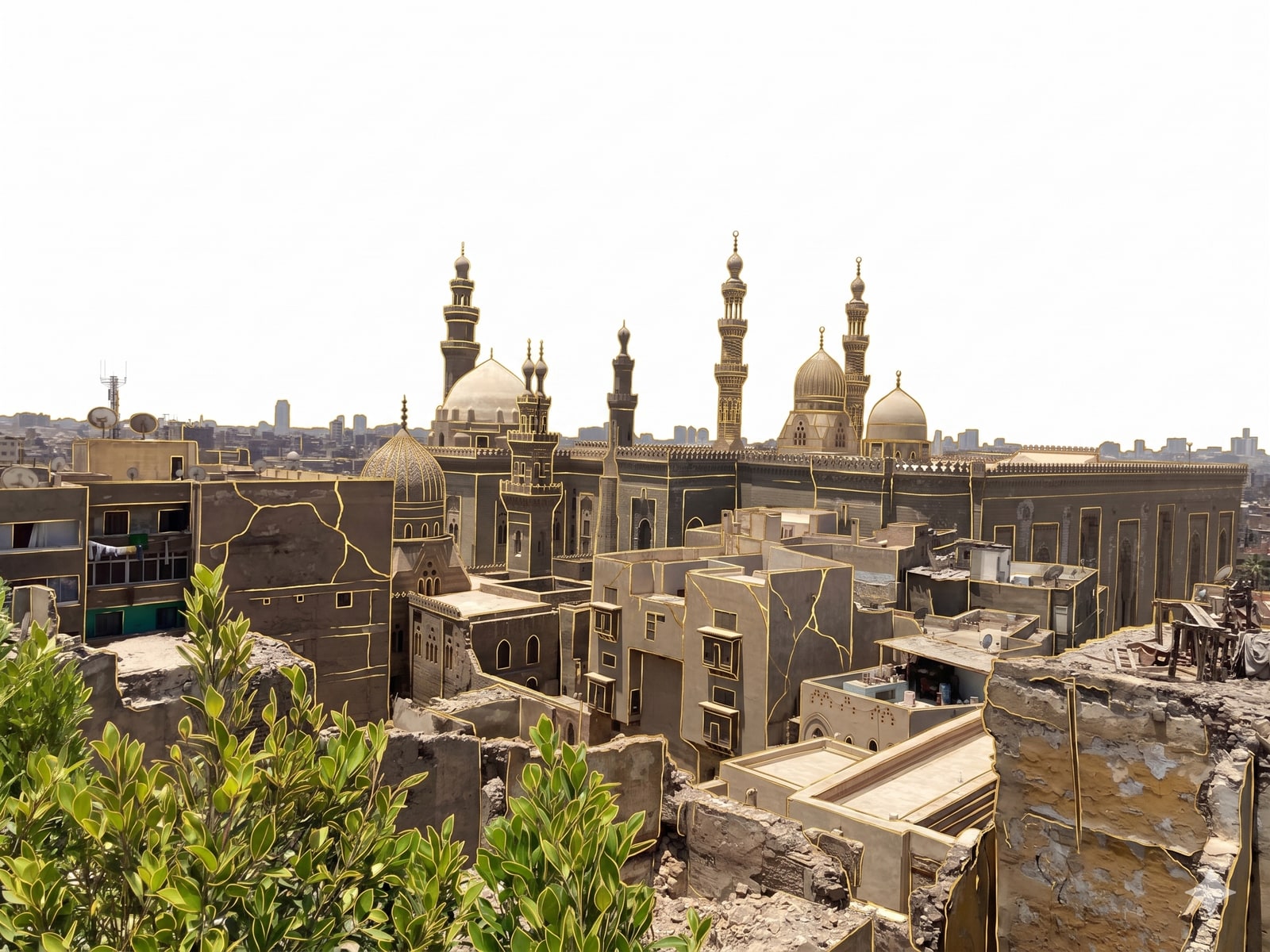
- Darb El Labbana — Urban Rehabilitation, Historic Cairo See the press
- Al-Fustat — Urban Development & Conservation, Archaeological Section
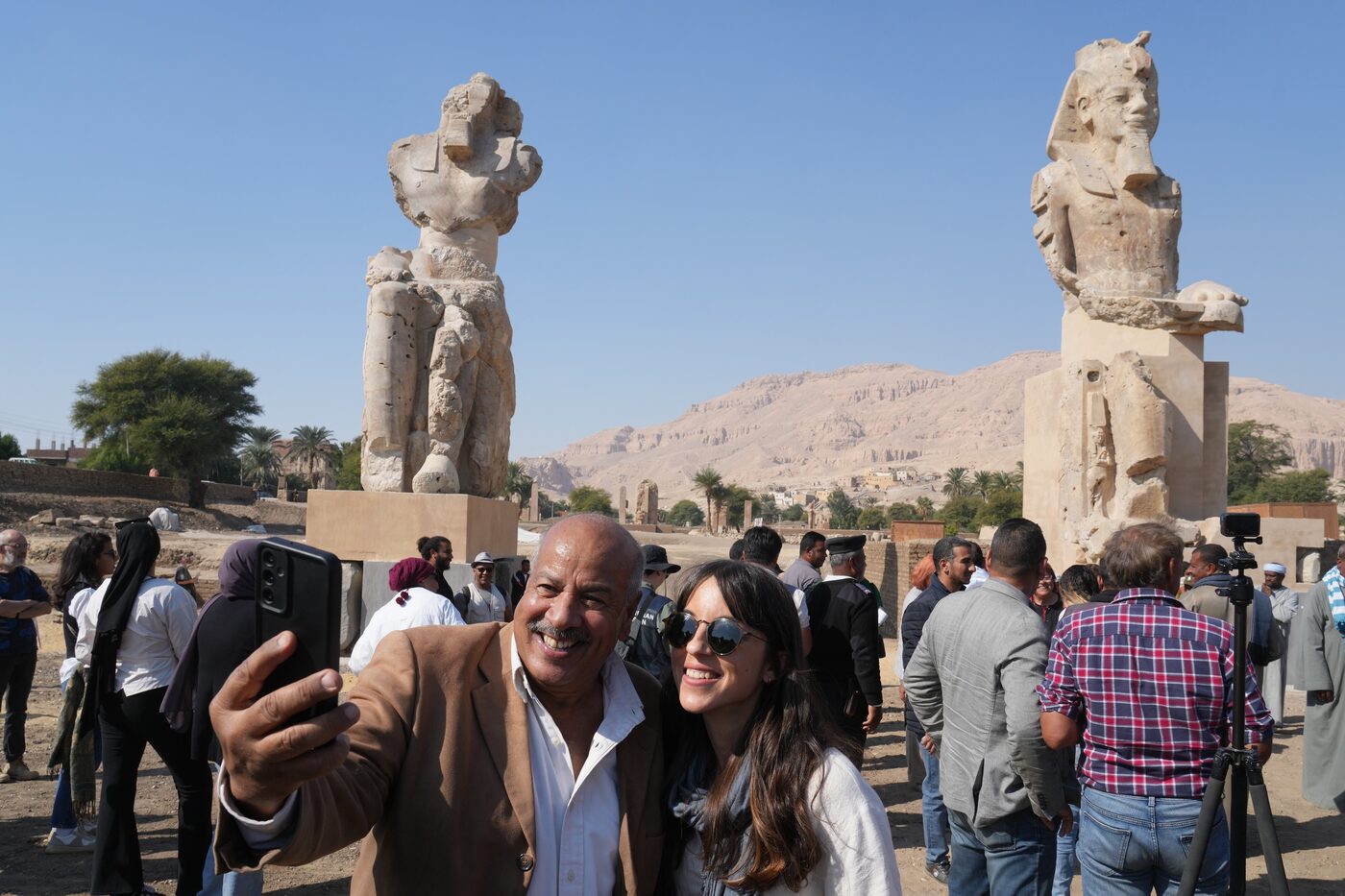
- Colossi of Memnon & Amenhotep III Temple — Conservation, Luxor west bank See the press